## Market Snapshot
Strait of Hormuz Traffic by May: 0.2% YES for May 15, 7.5% YES for May 31. Strait of Hormuz Ship Transit by May 31: 64% YES for 20 ships, 26% YES for 40 ships, 9% YES for 80 ships. Prices have fluctuated notably in the last 24 hours.
## Key Takeaways
– The confirmed transit of 30 China-linked vessels under Iranian supervision suggests an increase in traffic consistency. – Market pricing indicates a higher likelihood of achieving normal traffic levels by the end of May. – The recent developments appear supportive of a YES outcome for ship transit markets, reflecting increased operational continuity.
## Article Body
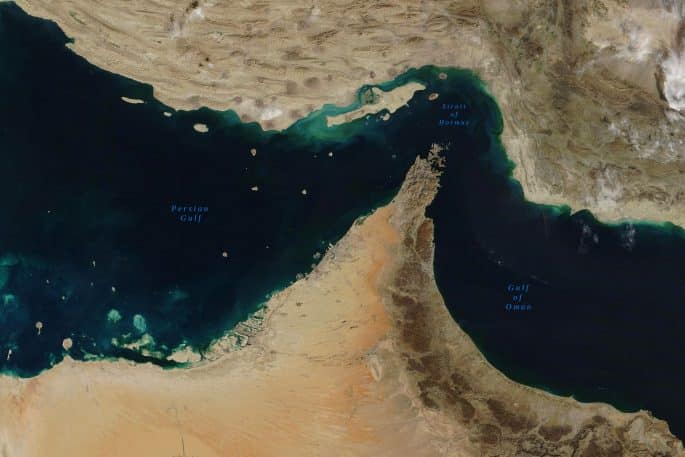
In a significant development amid the ongoing US-Israeli conflict with Iran, approximately 30 China-linked vessels have transited the Strait of Hormuz under Iranian supervision in the last 24 hours. This marks the third passage of Chinese oil tankers since the conflict began, with previous transits involving COSCO-operated ships. The facilitation of these transits by Iran follows diplomatic engagement by China’s foreign ministry, highlighting operational continuity for Chinese shipping despite the US Navy’s blockade in the Gulf of Oman. This event underscores the complexity of maritime activities in the region during heightened geopolitical tensions.
## Market Interpretation
The recent transit of 30 vessels under Iranian oversight is consistent with scenarios suggesting a return to operational continuity in the Strait of Hormuz. This development could indicate a high-impact factor for markets focused on ship transit thresholds, as it appears supportive of a YES outcome for these markets. Observed pricing changes suggest increased anticipation of achieving the specified transit thresholds by May 31.
## What to Watch
Key actors include Iran’s IRGC leadership, U.S. Central Command, and China’s foreign ministry. Watch for potential diplomatic developments or military actions that could impact transit conditions. Additionally, monitor updates from maritime organizations like the International Maritime Organization for changes in shipping advisories. Further transits or strategic shifts in the Gulf region could significantly affect market expectations.
Get prediction market intelligence as a structured API feed. Early access waitlist.